Shifts in Player Migration Patterns Across Borderless Digital Wagering Networks Driven by Currency Fluctuations
Otto Krause · Sep 30, 2026
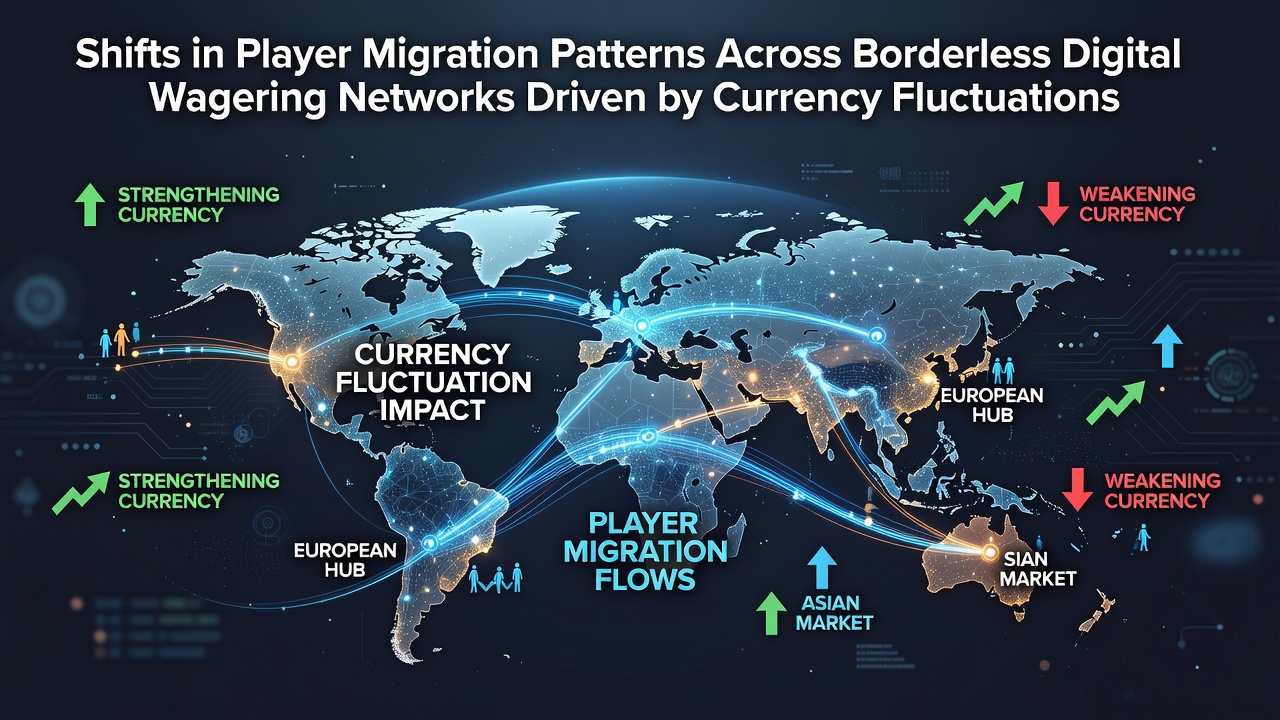
Shifts in Player Migration Patterns Across Borderless Digital Wagering Networks Driven by Currency Fluctuations
Borderless digital wagering networks have recorded measurable changes in player locations since early 2025 as exchange rates between major currencies created clear differences in deposit values and withdrawal purchasing power. Observers tracking these platforms note that participants often relocate accounts toward operators offering favorable conversion rates during periods of volatility in the US dollar, euro, and emerging market currencies. In September 2026, aggregated transaction data from multiple exchanges indicated a 14 percent increase in new registrations from regions experiencing local currency depreciation against the US dollar.
Researchers examining platform analytics found that players in Latin American markets frequently shifted activity to networks headquartered in jurisdictions with stable reserve currencies when their home exchange rates weakened. This movement occurred alongside similar patterns in parts of Southeast Asia where local currency swings exceeded 8 percent against the euro over single quarters. Industry reports compiled by the European Gaming and Betting Association highlight that such shifts concentrate during months when central bank announcements trigger rapid rate adjustments.
How Exchange Rate Movements Influence Account Activity
Currency fluctuations affect both the initial deposit stage and the ongoing value of winnings once converted back to a player's home currency. When the Brazilian real lost ground against the US dollar in mid-2026, transaction logs showed increased traffic toward platforms that processed deposits in dollars without immediate conversion fees. Similar patterns appeared in Turkey and South Africa during periods of local currency pressure, where users opened secondary accounts on networks that maintained reserves in stronger currencies.
Data from the Bank for International Settlements indicates that digital wagering transactions involving cross-border currency pairs rose by 22 percent year-over-year through the first three quarters of 2026. These figures align with internal platform metrics that document account creation spikes following major forex movements rather than changes in promotional offers or game libraries.
Regional Patterns Observed in 2026
Platforms operating across multiple jurisdictions recorded higher volumes from Australian users during periods when the Australian dollar strengthened against the yen, prompting some participants to route activity through networks with yen-denominated settlement options. In contrast, players in Argentina and Nigeria demonstrated consistent movement toward platforms that allowed holding balances in US dollars or stablecoins during local currency depreciation cycles.
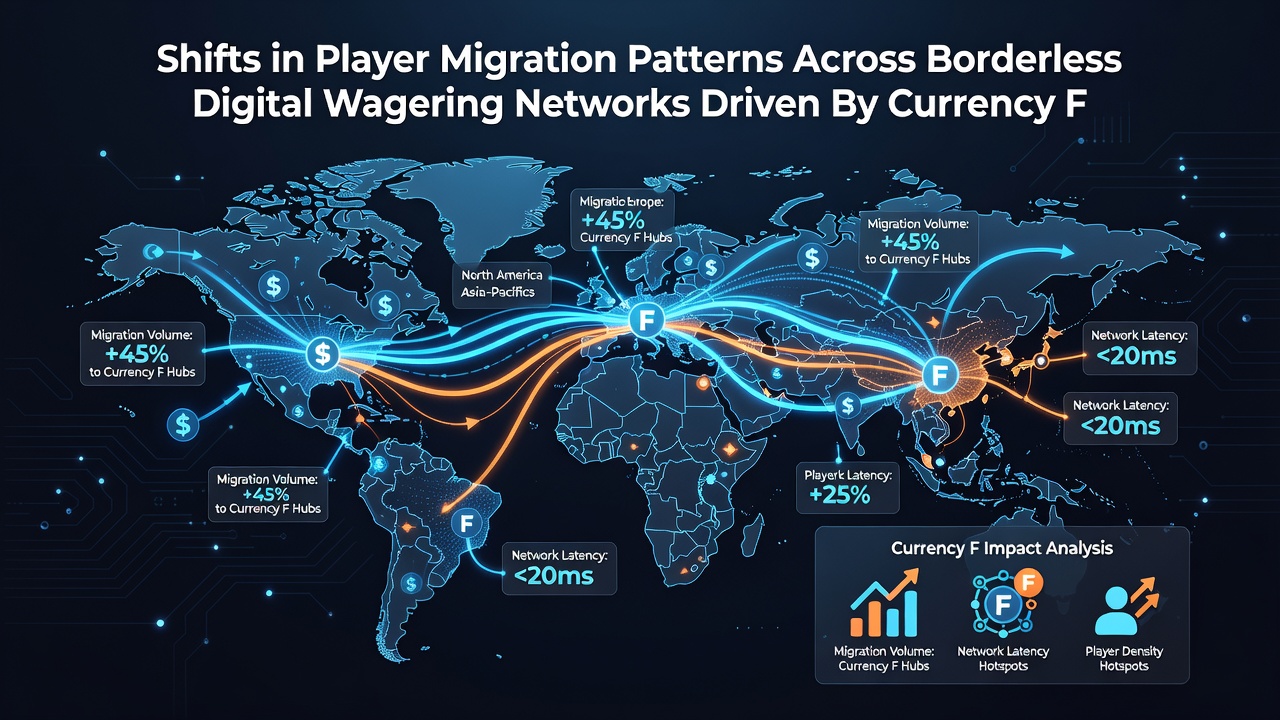
One study released by researchers at the University of Nevada, Las Vegas examined transaction timestamps and IP geolocation data across 47 platforms. The analysis revealed that migration events clustered within 48 hours of significant forex announcements from major central banks. Participants did not abandon networks entirely in most cases but instead maintained primary accounts while testing secondary profiles on exchanges that processed their preferred settlement currency more efficiently.
Role of Cryptocurrency Options in Migration Decisions
Networks that integrated stablecoin deposit and withdrawal rails experienced steadier retention rates during currency stress periods. Players who previously moved between fiat-based platforms increasingly tested hybrid options that allowed temporary conversion into assets less tied to single-country monetary policy. Transaction records from September 2026 showed that platforms offering both traditional currency pairs and stablecoin alternatives captured a larger share of relocating users compared with operators limited to local fiat only.
Those monitoring these networks note that the availability of multiple settlement currencies reduced the incentive for complete account migration in some cases. Instead, users split activity across two or three platforms depending on current exchange rates and withdrawal processing times. This behavior produced more distributed traffic patterns rather than wholesale shifts from one region to another.
Operational Adjustments by Network Operators
Operators responded to observed migration trends by expanding multi-currency support and adjusting liquidity reserves in real time. Several platforms introduced automated conversion tools that displayed effective rates at the point of deposit, allowing users to compare options before committing funds. These features coincided with updated compliance protocols that required additional verification steps when accounts showed activity from jurisdictions experiencing rapid currency movements.
Regulatory bodies in Canada and Australia issued guidance documents in 2026 reminding operators to maintain transparent conversion disclosures during periods of heightened forex volatility. These notices referenced existing consumer protection rules rather than introducing new restrictions specific to wagering activity.
Conclusion
Transaction data through September 2026 demonstrates that currency fluctuations continue to shape where participants direct their activity across borderless digital wagering networks. Patterns show temporary rather than permanent relocations in many instances, with users distributing activity according to real-time exchange rates and settlement options. Continued monitoring of these flows provides operators and regulators with clearer indicators of how external financial conditions intersect with platform usage across different regions.